musicia · a browser instrument studio
the instrument
you describe.
say a sound out loud — a felted piano, slightly detuned, breathing slowly. musicia drafts it into a real, playable instrument: every wire visible, every value yours to move, tuning included. all in your browser.
in development — the first private tests are taking shape
runs in your browser · real synthesis, not samples · every parameter visible · tuning beyond twelve steps
why this exists
every sound begins as a sentence.
you hear it before you can play it — a bell that lingers like heat, a bass with rust in its throat, a room that breathes slowly.
most tools answer with a black box: a thousand presets to swim through, a manual the size of a phone book, knobs that change things nobody can name. musicia answers with the schematic — a real patch you can read, where every oscillator, envelope and tuning step sits on the table, following your hand.
and because music is older than the piano keyboard, the tuning is yours too — twelve steps when you want them, the rest of the world when you don't.
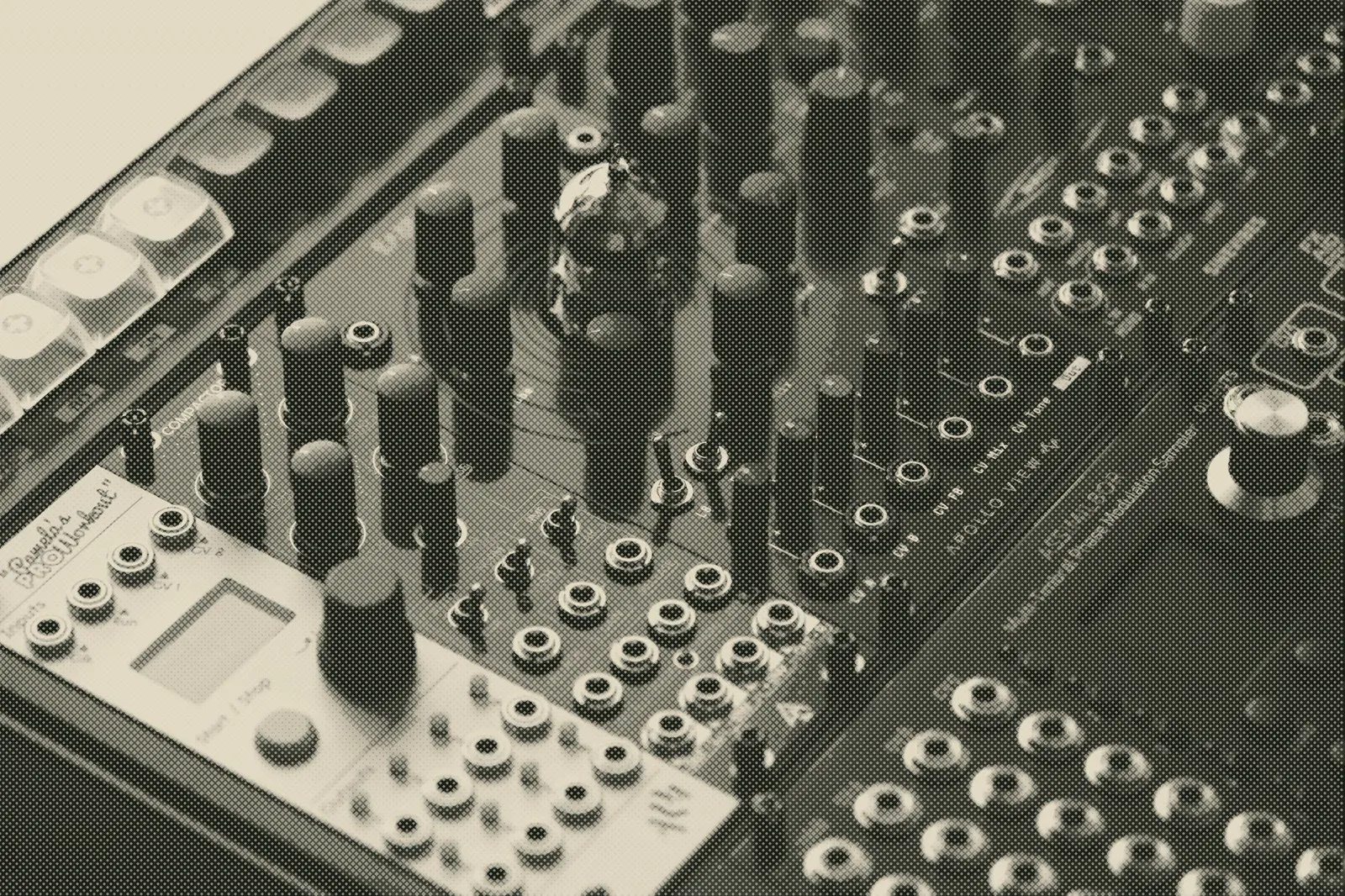
plate no. 01 — the patch bay
every wire visible; nothing soldered shut.
01 / how it works
three moves: describe, hear, shape.
no manual, no menu archaeology. the loop is short on purpose.
-
01
describe it
write the sound the way you'd say it out loud — plain words, the language you think in. one line is enough to start.
-
02
hear it
the engine drafts a real patch — oscillators, filter, envelope, space — and plays it back on the spot, right there in the browser.
-
03
shape it
open the patch and take over: every block and every value stays visible and editable. the ai proposes; you decide. nothing hides behind the prompt.
or ignore the ai and wire a patch by hand — the studio works either way. inside the studio.
02 / go deeper
two rooms behind this one.
the studio
the interface, the loop, the engine — and the atlas.
a full look at the room you'll work in: every block on the table, every value in plain sight.
open the studiotuning
twelve steps is not the whole world.
microtonal scales, cents-level nudges, and the makam traditions that twelve steps can't carry.
open tuning03 / hear it
press a description, hear the patch.
a miniature of the engine, live in this tab — press the description, watch it become a real patch, then play. one at a time; the deck holds thirty sounds.
nothing is sent anywhere — the patch is drafted and played right here, in your browser.
a study, not the studio: this page carries a miniature engine. the full instrument will go much further.
plate no. 04 — at the meter
every level, kept in sight.
04 / the build
where we are.
musicia is in development — openly, and without theatre. no release date yet; the work, on the table.
- donethe studythe field, the tools, what a browser can carry
- in progressthe enginethe synthesis core, taking shape
- in progressthe studiothe describe-to-patch flow and the interface
- plannedthe first testssmall private rounds — then more
read the development notes — the full log, including what isn't working yet.
05 / questions
the honest ones, with honest answers.
is musicia a text-to-sound generator?
no. text-to-sound tools usually hand you an audio file. musicia drafts an editable synth patch — oscillators, filter, envelope, space — and the sound is built in your browser as you play. you can change every value.
does musicia use samples or recordings?
no. every sound is synthesized in the browser from oscillators and generated noise; no audio files are loaded. the studio shows a provenance line with zero samples, and the engine refuses sample fields.
what is musicia, in one breath?
a studio in your browser that turns plain words into real, editable instruments — and hands you the whole circuit, not a black box.
can i try it now?
not yet. musicia is in development, and the first private tests are taking shape. there's no public date — we'd rather show the work than promise a week. the waitlist is the door.
do i need to install anything?
no. musicia is built to live in the browser — no plugin, no download, no account circus.
i don't know synthesis. is this for me?
yes. you describe sounds the way you'd describe them to a friend. and nothing is dumbed down — every parameter is there the moment you want to reach for it.
is the ai making the music?
no. it drafts and suggests, like a studio partner who's fast with the wiring. every choice it makes stays visible, every choice can be rewritten, and it can be switched off entirely.
what about microtonal and makam tuning?
twelve-tone is the default; beyond it, musicia treats tuning as part of the instrument — microtonal scales, cents-level nudges, and the makam traditions that twelve steps can't carry. the whole story is on the tuning page.
what will it cost?
nothing during the first tests. the plan after: playing and patching stay free, and heavier ai use gets a small monthly plan. when numbers exist, they'll be written in plain words.
will my work be mine?
yes. your patches and recordings are yours. the plan is export — real files, readable, keepable. and if anything ever needs to leave your machine, we'll say so, plainly.
text to synth, without the black box · makam lives between the keys
the door
be there when it plays.
musicia opens in small, private rounds. leave a way to reach you, and we'll write when there's something real to try — one letter, no drip campaign, no noise.