twelve equal
the default floor: what most software stops at. perfectly fine — and perfectly not the end.
the floor · default
01 / why tuning
the piano gave us twelve equal steps. the rest — maqam, makam, raga, your own experiments — lives between them, a few cents from home.
most software speaks twelve-tone and calls it a day; a few tools let experts bolt on the rest. musicia is being built with tuning as a first-class citizen: pick a scale, nudge any note by cents, retune mid-phrase, let a pad drift out of equal temperament just enough to make it ache.
it's how the oud and the ney have always worked — and it will be how you work too, whatever tradition you live in. without a spreadsheet, without a plugin chain, without leaving the page.
musicia is being built in ankara, where the makam isn't an exotic feature — it's the water. tuning is a first-class citizen here because anything less would be a lie about how music actually lives.
one octave, twelve hundred cents. top marks: equal temperament; the lower dots: one tradition's placement — the notes twelve steps can't quite name. differences are exaggerated, for the eye.
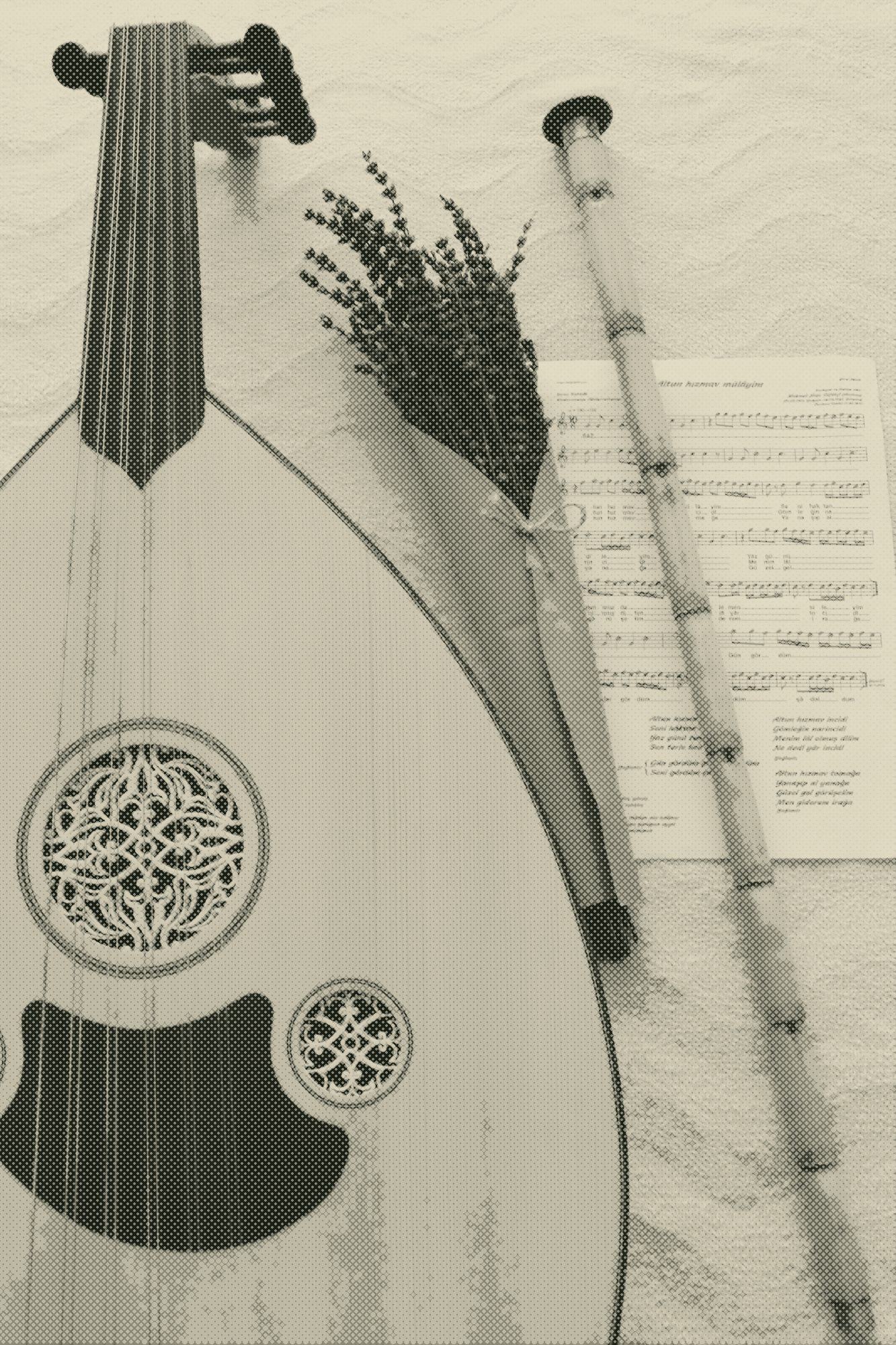
plate no. 02 — the old teachers
an oud, a ney, and a few thousand years of tuning between them.
02 / the scale desk
a first look at the scales musicia is learning — the standard floor, and a few doors out.
the default floor: what most software stops at. perfectly fine — and perfectly not the end.
the floor · default
an old makam friend: the second step leans low, and the whole scale turns tender.
makam · a comma low
a bright, aching gap between the second and third steps — the sound of a question.
makam · a wide breath
steady and open; the reference walk that many makam roads begin from.
makam · the long road
your own maps: nudge any note by cents, save the scale, keep it in the kit.
yours · cents-level
a note on honesty: exact intonation varies by tradition, region and ear — musicia's scales are starting points you can bend, not scripture.
03 / three studies
three patch sketches where tuning is the point, not the garnish.
patch no. 019
a pad, drifting 14 cents
voice — a slow glassy pair
drift — one side 14 cents flat
space — wide and soft
note — the ache you can't place
patch no. 031
a ney, breathing in segâh
voice — breath and edge
tuning — segâh, the second step low
articulation — long lines, no hurry
space — a stone room
patch no. 044
an oud, tuned a comma askew
voice — plucked courses
tuning — one course a comma shy
ring — long, damped late
space — a small wooden room
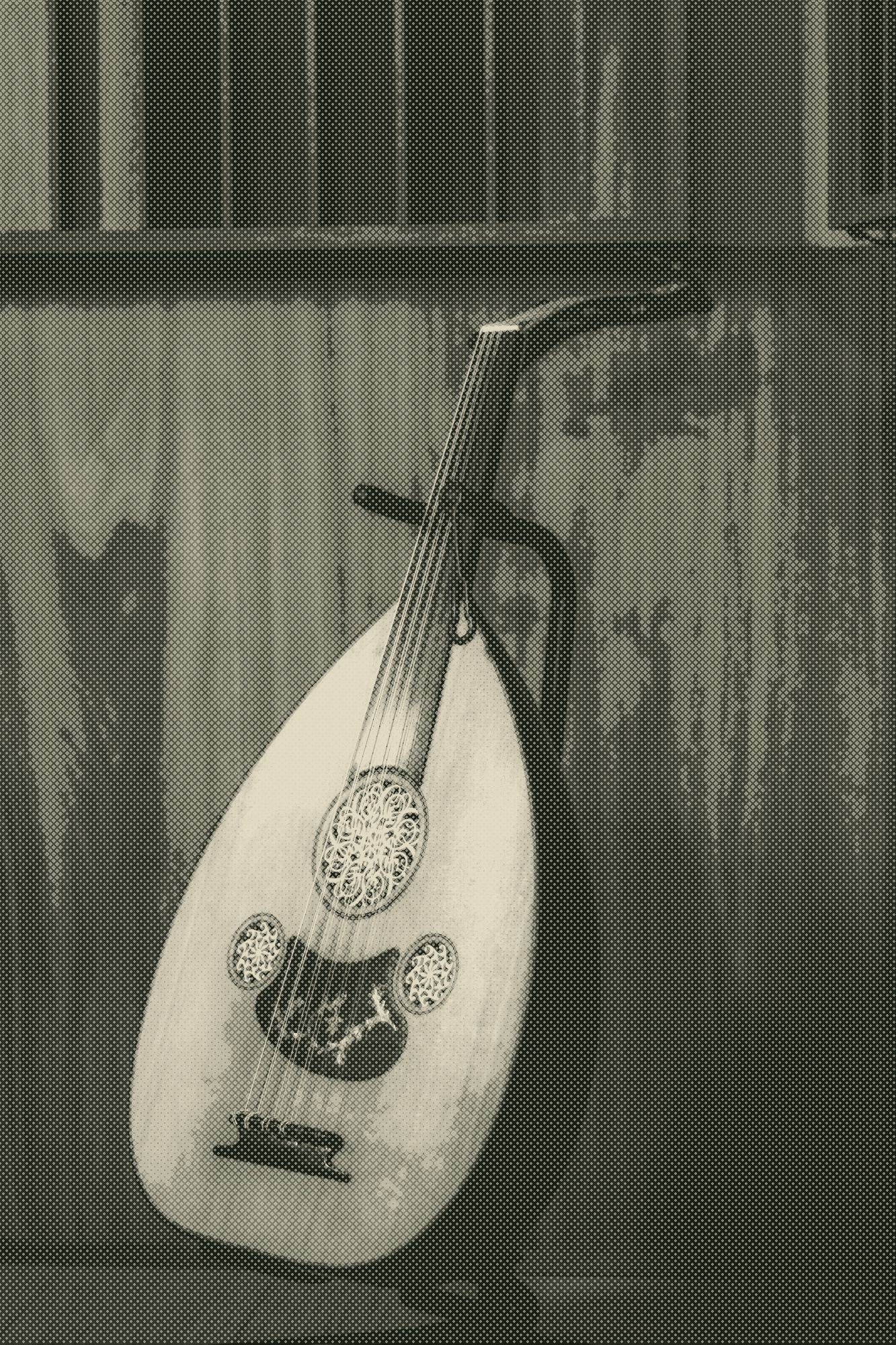
plate no. 03 — close up
the comma hides in the fretwork.
04 / fair questions
yes. tuning is opt-in depth, not homework — the standard grid stays exactly where you left it.
that's the point: cents-level edits you can save and reuse across patches. import formats will be confirmed at beta — we won't promise file types we haven't built yet.
it matters anywhere music breathes: raga, gamelan, blues bends, and the detuned pad you didn't know you wanted.
no — authenticity is yours to earn. musicia just refuses to round your ideas to the nearest twelve steps.
hear it
the "breath of a ney" study on the home page glides through a slow phrase, slightly out of equal temperament — tuning as movement, not theory.